
Why Do I Get Nosebleeds? Clear Causes Explained
Saline nasal sprays or nasal irrigation can help soothe irritated nasal passages and reduce congestion. Ok, so now that we’ve answered the question – why does my nose get stuffy when I drink? – it’s time to determine whether this is really a cause for concern or not. Read on to uncover the science behind the stuffy nose phenomenon as well as key strategies to prevent it from becoming an inevitable side effect of drinking alcohol. If you find that certain foods make you sneeze, such as strawberries or shellfish, try avoiding them before you drink.
Can other respiratory conditions increase the likelihood of alcohol-induced sneezing?
Tannins are astringent compounds that contribute to the bitter taste and aroma of wines. When these compounds come why do i sneeze when i drink alcohol into contact with the nasal passages, they can create an irritation sensation which leads to a reflexive sneeze response. Lowering your risk of asthma and allergy symptoms involves proactive management of your health and environment. This is because alcohol can weaken your immune system, making you more susceptible to allergens.
Alcohol also inhibits the activity of diamine oxidase (DAO), an enzyme responsible for breaking down histamine in the gut, leading to an accumulation of histamine in the body. This buildup can trigger allergy-like symptoms, including sneezing, nasal congestion, and flushing. “Reactions to alcohol are unlikely to be caused by a ‘true’ allergy,” explains Holly Shaw, Nurse Advisor at Allergy UK.
- While this sneezing reflex can be annoying during a lively evening out, it’s a reminder that our bodies work hard to protect us.
- However, some people do experience true allergic reactions after drinking alcoholic beverages.
- When alcohol is consumed, it acts as a vasodilator, meaning it causes blood vessels to widen throughout the body.
- Maintaining good hydration by alternating alcoholic drinks with water is beneficial, as alcohol can contribute to dehydration affecting sinus health.
Alcohol Allergies Can Cause Sneezing, Flushing, Headache
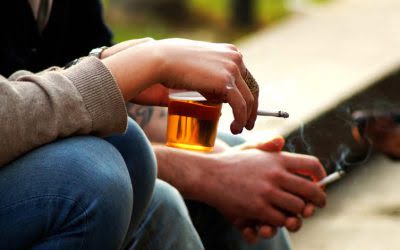
If you find that your nose acts up whenever you drink, it might be time to consider how your body handles alcohol’s impact on nasal health. Simply avoid alcohol, limit how much you drink or avoid certain types of alcoholic beverages. The immune system tries to get rid of foreign bodies in various ways to protect your health, and sneezing happens to be one of those methods. Experiencing sneezing after drinking alcohol is a common and often benign reaction.
When should I see a doctor about muscle spasms in the abdomen?
To avoid this situation, it is important to drink wines with a flavor that does not cause an allergic reaction in the body. When you take a sip of alcohol, your body triggers a reaction in which your blood vessels widen and blood flow increases. The symptoms are similar to those caused by histamine intolerance and can easily be confused with allergy-like symptoms. Doing a test can confirm or deny the actual cause of the alcohol intolerance.
Insufficient levels of this enzyme, often due to genetic factors, can lead to severe adverse reactions to alcohol, particularly among individuals with genetic intolerances. However, a person is usually allergic or intolerant to certain ingredients in the drink, rather than the alcohol marijuana addiction itself. A skin prick test should take place in a medical setting in case of a severe allergic reaction.


Red wine should be avoided if you have a sinus condition or are prone to developing them. The sulfur compounds in red wine can irritate your nasal passages, resulting in inflammation and swelling that can lead to sinus issues. Additionally, the phenolic compounds found in red wine can cause further irritation and worsen the condition. If you do choose to consume red wine, make sure to do so in moderation https://urbanbhaurecordz.com/lip-filler-phuket-a-refined-approach-to-natural/ and avoid consuming too much. Additionally, adding foods with anti-inflammatory properties to your diet can help reduce any irritation caused by red wine consumption.
Are certain types of alcohol more likely to induce sneezing?
These side effects could be caused by a serious allergy and warrant a visit with your doctor to address your symptoms. This genetic condition means that you experience negative symptoms when drinking alcohol because your body is unable to process it properly. Because the body can’t break down alcohol, it’s toxic byproducts flood the system and accumulate with each drink you have.
Either way, it’s definitely something to keep an eye on if you’re out enjoying some beers with friends. When someone suddenly starts sneezing after drinking a few pints, it’s time for them to take a break and re-assess their drinking habits. In extreme cases, symptoms such as difficulty breathing and anaphylaxis have been reported. Treatment for alcoholic hepatitis usually involves lifestyle changes such as abstaining from alcohol, eating a healthy diet and exercising regularly. However, the electrical activity of the heart does not stop during the sneeze.
- It is best to consult a healthcare professional for a proper diagnosis if you suspect an alcohol allergy.
- Avoid the beverage or beverages that seem to cause your reaction until your doctor’s appointment.
- This article explores the reasons behind alcohol-induced sneezing and offers practical management insights.
- Expectant mothers often wonder whether sneezing during pregnancy is dangerous and what the baby feels in the belly when the mother sneezes.
- This will reduce the alcohol in the drink and make it less likely to trigger a sneeze.
- Beers that are less fermented, or those made with specific yeast strains, could also be considered to see if histamine levels are a factor.
The front part of the nose, called Kiesselbach’s plexus, is where most nosebleeds originate. This area contains a dense network of fragile blood vessels that can easily break due to dryness or trauma. Less commonly, bleeding may come from deeper parts of the nasal cavity, which can be more serious.
Leave a comment
Related News



FACT News TV
View AllBreaking News
View All



Advertisement

Editor’s Desk
View All
Op-ed: Strategic autonomy in a polarised world
March 1, 2026


What led to the NDA victory in Bihar polls?
November 14, 2025

Punjab needs a comprehensive land-use policy
May 29, 2025