
Supreme Court Protects Innocent Buyers: Recovery to Be Made from Defaulting Sellers
Fact News Service
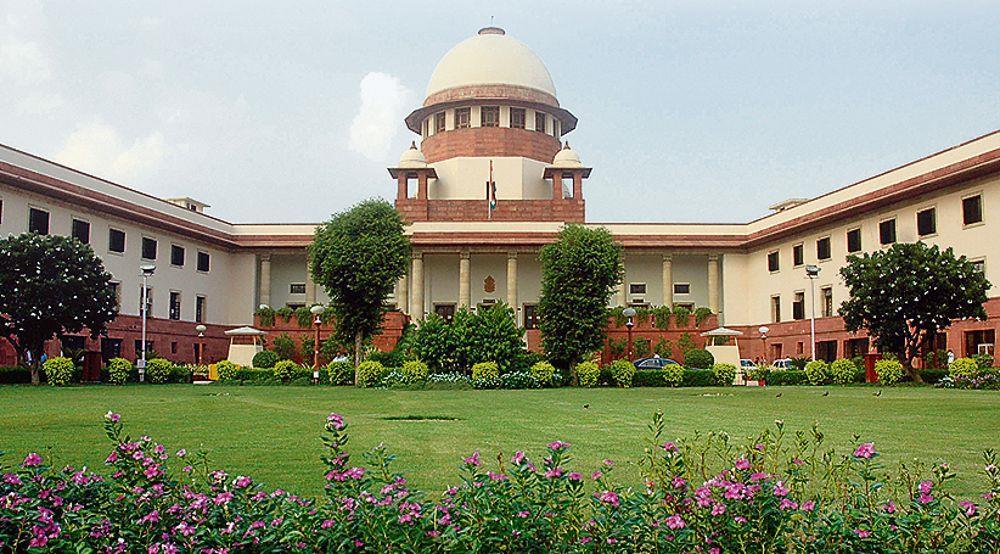
Chandigarh, December 10: In a major relief to thousands of honest businesses, the Supreme Court has ruled that a buyer cannot be punished if a seller fails to deposit tax with the government. The judgment—Commissioner, Trade and Tax, Delhi v. Shanti Kiran India (P) Ltd.—has been welcomed across the country for bringing clarity and fairness to tax administration. Advocate Saurabh Aggarwal, who closely follows tax litigation, says the ruling strengthens trust in the business system and clearly upholds the principle that “no innocent dealer should suffer for someone else’s wrongdoing.”
The Court explained that when a purchasing dealer (buyer) has done everything required under the law—such as buying goods genuinely, receiving a proper tax invoice, and ensuring that the seller is a registered dealer—the tax department cannot deny Input Tax Credit (ITC) just because the seller did not deposit the tax collected.
Advocate Aggarwal highlights that the Court’s message is simple: “If the buyer is genuine, do not punish him. Go after the seller who defaulted.”
The judgment recognizes that businesses cannot be expected to police their sellers. A buyer has no control over whether the seller actually deposits tax with the government after issuing an invoice. The Court said it would be completely unfair—and even unconstitutional—to hold an innocent buyer responsible for the seller’s misconduct.
According to the ruling, the tax department must first pursue the defaulting seller and recover the unpaid tax from them. Only in cases where the buyer and seller are found to be working together to commit fraud can action be taken against the buyer. Advocate Aggarwal explains that this balances the rights of honest taxpayers while still giving the government the power to act against fraudsters.
The Court also noted that penalizing a bona fide buyer violates Article 14 of the Constitution, which guarantees equality before the law. Treating an innocent business the same as a fraudulent one amounts to arbitrary action, the Court held.
While this case was decided under the Delhi Value Added Tax (DVAT) Act, Advocate Aggarwal believes the ruling will have strong influence on how similar issues are interpreted under GST, since the laws share common principles. Many businesses facing unfair tax demands under GST may now find support in this judgment.
In simple terms, the Supreme Court has drawn a clear line:
If the buyer acted honestly, their Input Tax Credit cannot be denied.
If the seller failed to pay tax, recovery must be made from the seller—not the buyer.
Advocate Saurabh Aggarwal says this judgment brings hope and fairness to businesses that follow the rules and maintain proper records. It reinforces that India’s legal system protects genuine taxpayers and ensures that responsibility lies with the actual defaulter.
This landmark ruling is expected to reduce unnecessary litigation, strengthen business confidence, and promote a healthier tax environment across the country.
Leave a comment
Related News








FACT News TV
View AllBreaking News
View All
Colon Cancer: Symptoms, Causes, and Prevention Methods
February 16, 2026

Change in timing of retreat ceremony at Attari-Wahga border
February 16, 2026

Moga Rally: CM Mann Takes Swipe at Majithia, Announces Phase...
February 16, 2026
Kejriwal Sounds 2027 Poll Bugle: “Re-elect AAP to Save Punjab”
February 16, 2026

North Korea Power Struggle: Kim Jong Un’s Sister vs Daughter...
February 16, 2026

Actor Rajpal Yadav Gets Bail from Delhi High Court: Deposits...
February 16, 2026
Advertisement

Editor’s Desk
View All

What led to the NDA victory in Bihar polls?
November 14, 2025

Punjab needs a comprehensive land-use policy
May 29, 2025