
Why Ludhiana’s Airport Hasn’t Taken Off — Two Decades of Delay, Politics and Administrative Limbo

Fact News Service
Chandigarh, December 25: The long-anticipated Halwara International Airport, built near Ludhiana to finally give Punjab’s industrial capital direct air connectivity, stands ready yet grounded — not because it lacks demand, but due to a political tussle over credit and accountability that has overshadowed execution. Leaders from the Aam Aadmi Party (AAP), Bharatiya Janata Party (BJP) and Congress have publicly traded claims about who initiated, funded or accelerated the project, creating a narrative dominated more by credit gamesmanship than smooth operationalization.
Though the concept of improving Ludhiana’s air connectivity has been discussed for decades, Halwara’s civil airport project only began making ground in earnest in 2018, after years of sporadic plans and delays. Originally, Ludhiana’s only airport at Sahnewal had limited facilities — a short runway that restricted airline operations — and commercial flights had effectively ceased after the COVID-19 pandemic disrupted service.
Earlier, allegations were that the Akali government never wanted good operational airports as their transport bus services to delhi which brought them profit but even eight years after their regime, Ludhiana airport has become somewhat of a jigsaw puzzle as to why is it still not operational.
Nearly Complete, But Still Not Operational
By October 2025, the terminal and key infrastructure at the Halwara airport had been physically completed. The Airports Authority of India (AAI) submitted a completion certificate to the Ministry of Civil Aviation — yet, even as construction stands finished, the facility cannot begin passenger operations without final security clearance from the Bureau of Civil Aviation Security (BCAS).
This is a paradoxical situation: residents and businesses have watched an airport rise from the ground, yet no commercial flights can take off because of pending clearances and procedural formalities. Air India has signaled interest in launching flights within weeks of formal opening, underscoring strong demand once approvals are sorted.
The Political Credit Struggle
The politics of who gets credit for Halwara has further complicated the narrative:
BJP leaders have attributed delays to state government inertia. AAP officials emphasize the role of their government, especially Chief Minister Bhagwant Singh Mann, in releasing funds and pushing work forward.
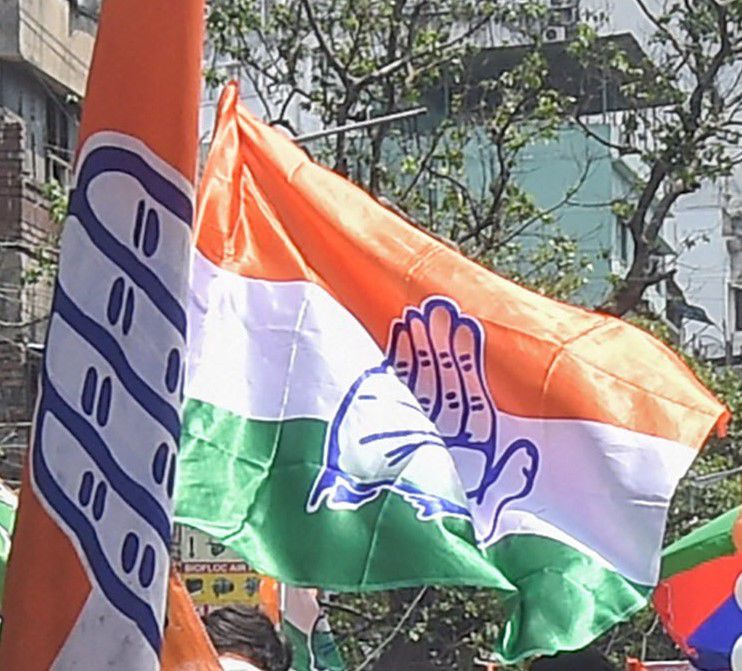
Congress politicians argue the project was conceived earlier and was initiated under previous administrations. This battle for ownership — rather than cooperative governance — has contributed to a focus on political narrative instead of seamless execution, frustrating many in Ludhiana who waited years for reliable aviation connectivity.
Why It Took So Long
The 20-year lag in Ludhiana’s aviation development is rooted in multiple, documented factors:
1. Infrastructure Limitations at Sahnewal:
Ludhiana’s original airport at Sahnewal had structural constraints — too small for larger aircraft and limited in capacity — making expansion untenable long-term. Plans for Sahnewal ceased when its utility dwindled after flights stopped in 2021.
2. Administrative and Funding Delays:
The move to build at Halwara faced periodic funding gaps, coordination problems and construction halts — especially a pause in 2022 when finances were withheld by local authorities before being released later.
3. State and Central Coordination Issues:
Any new airport project in India requires smooth alignment between state governments, the Ministry of Civil Aviation, the Airport Authority of India, and security clearance by BCAS. Delays in these administrative processes slowed progress.
4. The Economic Stakes for Ludhiana
Ludhiana is one of Punjab’s most economically significant cities, a hub for manufacturing, exports and trade. Local industrialists have repeatedly said that air connectivity is essential for economic competitiveness, especially given that the city’s industries often require executives, clients and cargo movement to international markets — for which travellers had to rely on airports in Chandigarh, Delhi or Amritsar. The inability to offer regular flights from their own district airport not only means longer travel times and higher costs but also missed opportunities compared with other Indian cities of similar size that have enhanced regional flight networks.
What Happens Next?
Halwara’s physical readiness positions it to finally address these gaps — once the remaining clearances are complete and a formal inauguration date is set. But until the BCAS security approval is granted and airlines are onboarded, Ludhiana’s promise of robust air travel remains unfulfilled.
For now, the airport’s story reflects more than infrastructure challenges; it exposes how administrative bottlenecks and political competition can delay essential facilities, leaving a city waiting longer than it should for the connectivity it needs.
Leave a comment
Related News



FACT News TV
View AllBreaking News
View All
LPU Jalandhar students Prashant Veer picked by CSK for 14.20...
December 27, 2025


Married woman shot at in Gurugram club for rejecting marriage...
December 26, 2025
Centre approves 3 new airlines after IndiGo fiasco: Al Hind...
December 25, 2025
Uddhav and Raj Thackeray Reunite: A New Chapter in Mumbai...
December 24, 2025
Delhi HC Suspends Life Sentence Of Ex-BJP MLA Kuldeep Sengar...
December 23, 2025
Advertisement

Editor’s Desk
View All
What led to the NDA victory in Bihar polls?
November 14, 2025
Punjab needs a comprehensive land-use policy
May 29, 2025
Political Dynamics in Parliamentary Committees
September 27, 2024