Aravalli is 2.5-billion-year-old, older than dinosaurs
Fact News Service
Chandigarh, December 22: The Centre dismissed concerns that a revised definition of the Aravalli range would open the door to large-scale mining, asserting that more than 90 per cent of the region would remain protected under the new framework.
It cited a Supreme Court–ordered freeze on new mining leases in the Aravallis, noting that the court-approved framework strengthens safeguards for the mountain system and bars fresh mining activity until a comprehensive management plan is finalised.
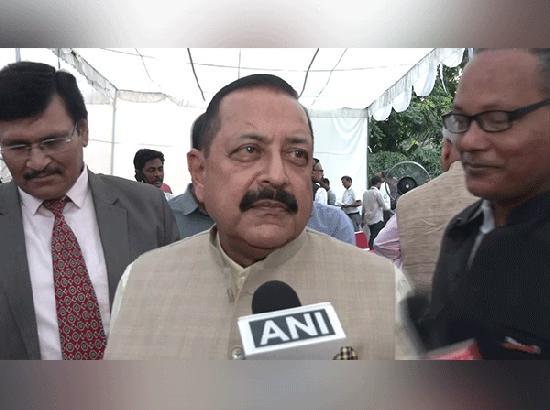
Environment Minister Bhupender Yadav said the Supreme Court–approved definition would bring over 90 per cent of the Aravalli region under protected status.
WHAT IS THE ARAVALLI RANGE?
The Aravalli Range, one of the world’s oldest fold mountain systems dating back nearly two billion years, stretches approximately 670-700 km southwest from Delhi through Haryana, Rajasthan, and Gujarat, ending near Ahmedabad.
This ancient chain, with widths varying from 10 to 100 km, forms a critical ecological and geographical spine in northwestern India, averaging 600-900 meters in elevation and peaking at Guru Shikhar at 1,722 meters in Rajasthan’s Mount Abu. The range begins as isolated rocky ridges in Delhi’s south (Asola Bhatti Wildlife Sanctuary) and southern Haryana, transitioning into discontinuous hills that bisect Rajasthan into arid northwest Thar Desert plateaus and fertile southeast plains.
Divided into Sambhar-Sirohi (taller southern section) and Sambhar-Khetri (northern eroded ridges), it features steep escarpments, deep valleys up to 550 m, and mineral-rich quartzites.
An underground extension reaches Haridwar, dividing the Ganga and Indus River basins.
Leave a comment
Related News






FACT News TV
View AllBreaking News
View All
Biggest Victory of Truth and Honesty; Court’s Verdict a Slap...
February 27, 2026

Australia Women Crush India in 2nd ODI: Georgia Wolle’s Stormy...
February 27, 2026

Cure Grade 2 Fatty Liver Without Medicine: Doctor Shares 2...
February 27, 2026

8th Pay Commission: Big News for Central Govt Employees—Demand for...
February 27, 2026
Advertisement

Editor’s Desk
View All

What led to the NDA victory in Bihar polls?
November 14, 2025
Punjab needs a comprehensive land-use policy
May 29, 2025