
IndiGo economy hit as DGCA orders 5% cut in flights; ONLY 115 fewer daily flights
Fact News Service
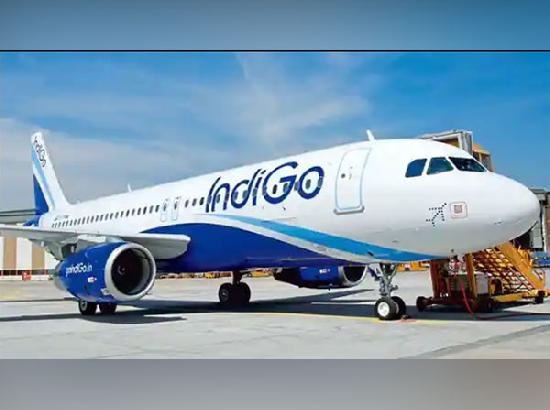
Chandigarh, December 9: The DGCA — India’s civil aviation regulator — has ordered IndiGo to cut its winter flight schedule by 5 %, after the airline failed to operate its sanctioned flights efficiently.
What went wrong?
IndiGo, which had been approved roughly 15,014 weekly departures for the winter schedule, managed only about 59,438 flights in November, with 951 cancellations.
The regulator noted a discrepancy between the number of aircraft reportedly available (403) and those actually operated (339 in October, 344 in November).
As a result, the DGCA concluded that IndiGo “has not demonstrated an ability to operate these schedules efficiently.”
Immediate consequences
The 5 % cut essentially means around 115 fewer daily flights — especially on high-demand, high-frequency routes — and a ban on operating lone flights on any sector. IndiGo has been told to submit a revised flight plan by 5 pm on December 10.
At the same time, IndiGo says its operations are stabilising. The airline reports having restored connectivity to nearly all destinations, with on-time performance improving and many cancelled flights addressed.
Why this happened — and what it means going forward?
The core issue stems from the introduction of stricter pilot duty norms under new “Flight Duty Time Limitation (FDTL)” rules that came into effect on November 1, 2025.
Regulators say IndiGo underestimated the impact of these rules when it expanded its winter schedule.
With crew shortages, fewer aircraft actually operational, and a surge in scheduled departures, IndiGo’s planning gap resulted in widespread cancellations and disruptions. The DGCA’s cut aims to align the airline’s commitments with its realistic operational capacity — and to prevent further passenger disruption.
In the coming days, the revised schedule will reveal just how much the airline is scaling back — and whether the trimmed schedule will be enough to stabilize operations consistently. For now, passengers may face reduced choices on some popular routes, especially those that saw heavy traffic earlier this season.
Leave a comment
Related News








FACT News TV
View AllBreaking News
View All
Colon Cancer: Symptoms, Causes, and Prevention Methods
February 16, 2026

Change in timing of retreat ceremony at Attari-Wahga border
February 16, 2026

Moga Rally: CM Mann Takes Swipe at Majithia, Announces Phase...
February 16, 2026

Kejriwal Sounds 2027 Poll Bugle: “Re-elect AAP to Save Punjab”
February 16, 2026

North Korea Power Struggle: Kim Jong Un’s Sister vs Daughter...
February 16, 2026

Actor Rajpal Yadav Gets Bail from Delhi High Court: Deposits...
February 16, 2026
Advertisement

Editor’s Desk
View All

What led to the NDA victory in Bihar polls?
November 14, 2025

Punjab needs a comprehensive land-use policy
May 29, 2025