Google, Microsoft bet on this 27-year-old to make AI work in India
The Fact News Service
New Delhi, November 3
In her one-room home on a quiet street in Agara, a tiny village three hours southwest of Bangalore that’s fringed by rice paddies and groundnut fields, Preethi P. sits on a stool near a sewing machine. Normally, she would spend hours mending or stitching clothes, averaging less than $1 a day for her work. On this day, however, she is reading a sentence in her native Kannada language into an app on a phone. She pauses briefly, then reads another.
Preethi, who goes by a single name, as is common in the region, is among the 70 workers hired in Agara and neighboring villages by a startup called Karya to gather text, voice and image data in India’s vernacular languages. She is part of a vast, unseen global workforce – operating in countries like India, Kenya and the Philippines – who collect and label the data that AI chatbots and virtual assistants rely on to generate relevant responses. Unlike many other data contractors, however, Preethi gets paid well for her efforts, at least by local standards.
Leave a comment
Related News






FACT News TV
View AllBreaking News
View All
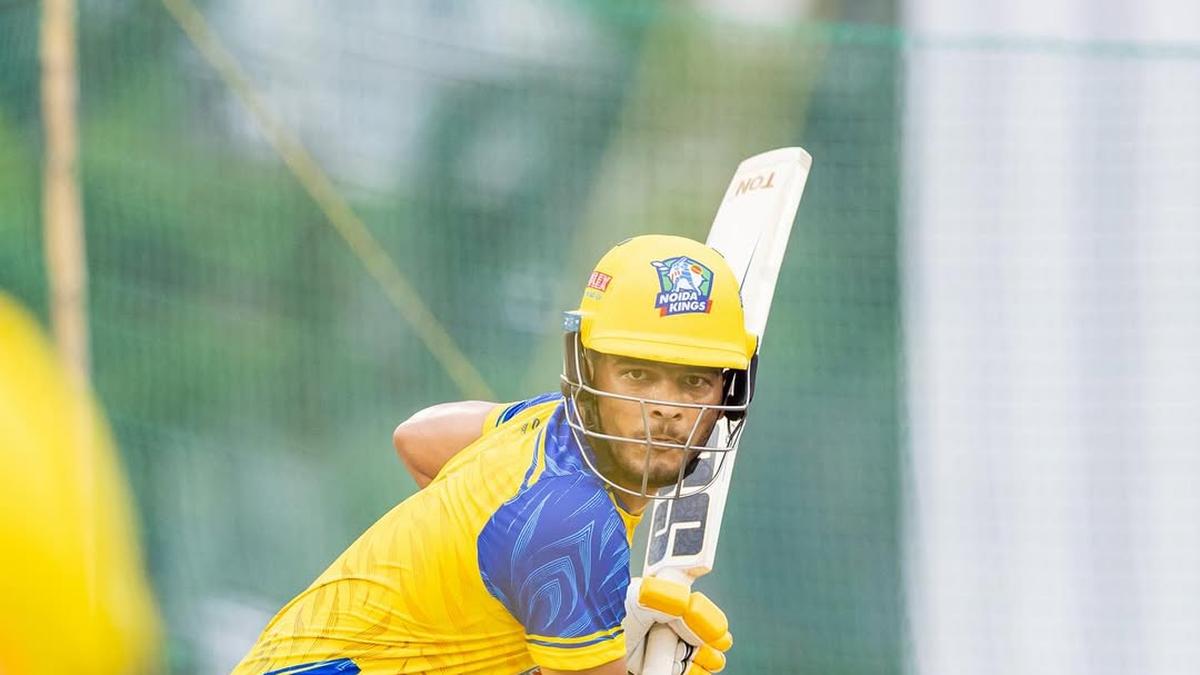
LPU Jalandhar students Prashant Veer picked by CSK for 14.20...
December 27, 2025


Married woman shot at in Gurugram club for rejecting marriage...
December 26, 2025

Centre approves 3 new airlines after IndiGo fiasco: Al Hind...
December 25, 2025
Uddhav and Raj Thackeray Reunite: A New Chapter in Mumbai...
December 24, 2025
Advertisement

Editor’s Desk
View All

What led to the NDA victory in Bihar polls?
November 14, 2025
Punjab needs a comprehensive land-use policy
May 29, 2025